
What to Do After Buying a Dholera Estates 1 Residential Plot? Checklist

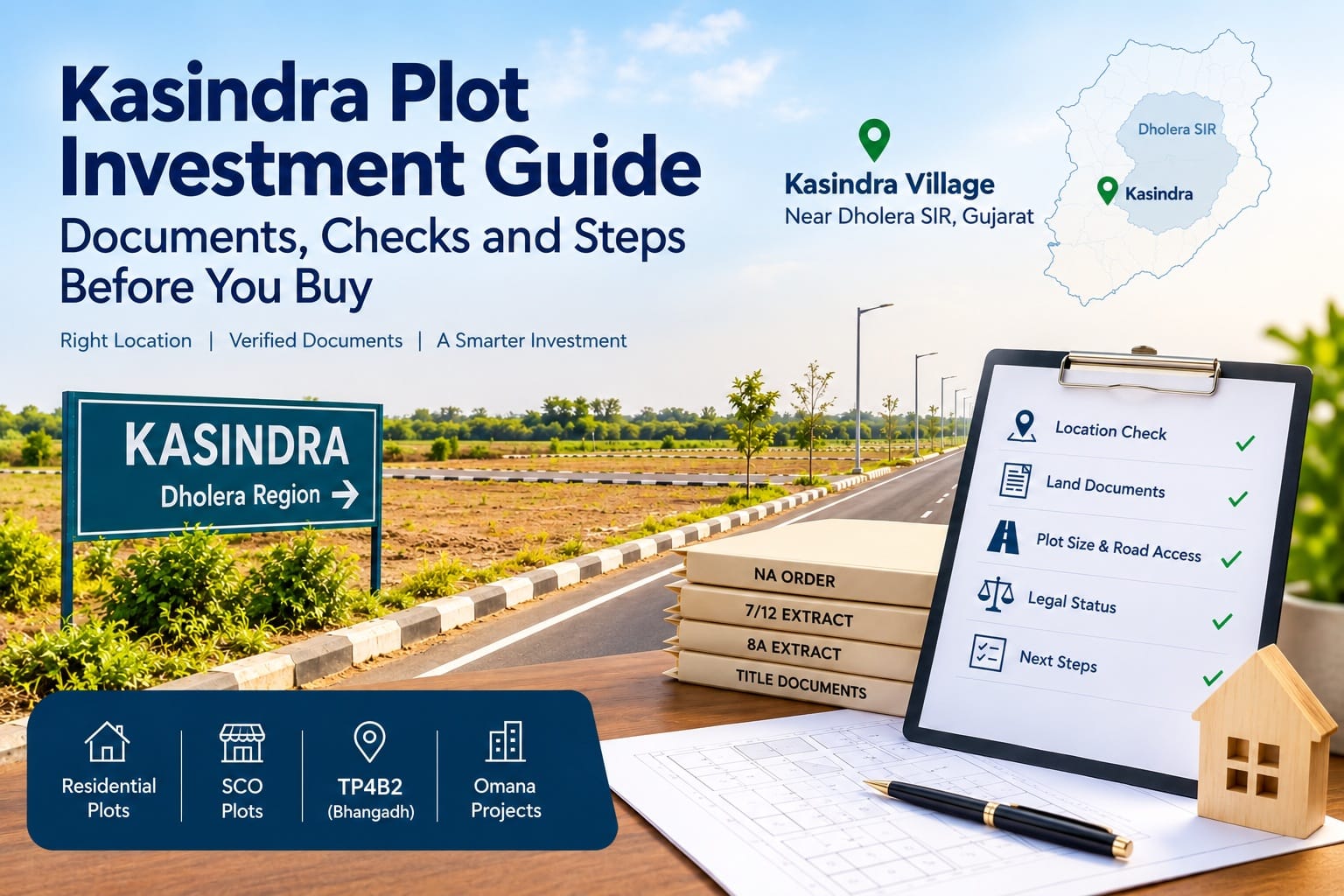
Buying a residential plot in Kasindra is an important financial decision, but the work does not end after making the payment or signing the sale deed. Property owners should complete a few important administrative, legal and physical checks to keep their land records organised and protect the property over time.
If you have recently purchased a residential plot in Gujarat, here are the steps worth following.
1. Keep Your Registered Sale Deed Safe
The registered sale deed is one of the most important documents relating to your property purchase. Collect the registered document and check that the buyer's details, seller's details, property description, survey information and transaction details are accurate.
Keep:
- A secure physical copy of the registered sale deed.
- A scanned digital copy.
- Registration and payment receipts.
- The applicable registration records, including Index-2 where issued.
If you notice an error or mismatch, consult a property lawyer about the appropriate correction process.
2. Check the Mutation Process
After registration, check whether the relevant mutation process has been initiated with the appropriate revenue authority.
Mutation updates the revenue records to reflect the change in ownership. However, a mutation entry is not a substitute for a registered sale deed or independent title verification.
Keep the application reference and check the status until the applicable record is updated. The process and documents can vary depending on the property's location and transaction.
3. Organise All Property Documents
Create one property file containing the documents related to your purchase. This makes future verification, construction planning and resale discussions easier.
Depending on the property, your file may include:
- Registered sale deed and Index-2.
- Previous title documents and relevant land records.
- Survey details and plot identification.
- Applicable NA permission and land-use documents.
- Approved layout and plot plan.
- Payment receipts and agreement copies.
- Relevant tax or local authority records.
For a more detailed explanation of property paperwork, read this residential plot document checklist for Kasindra buyers.
4. Verify the Physical Plot Boundaries
Do not depend only on a brochure or a plot number written on a receipt. Visit the property and identify the exact plot on the ground.
Compare its location and dimensions with the relevant layout and property documents. Photograph the corners, access road and surrounding landmarks. If the boundaries are unclear, consider engaging a qualified surveyor to verify the measurements.
Avoid constructing a fence or boundary wall until you have confirmed the surveyed boundary and checked the applicable local permissions.
5. Protect the Plot if You Are Not Building Immediately
An empty plot still requires attention. Keep its boundary markers visible, inspect the site periodically and maintain dated photographs.
If you live in another city, consider arranging periodic visits through a trusted local person. Keep any caretaker's responsibilities in writing and retain control of the original property documents.
You can also follow this practical guide on looking after a vacant plot, boundary markers and remote ownership.
6. Understand Local Charges and Responsibilities
Find out which local authority or body is responsible for applicable property-related records, taxes and charges. Requirements may differ according to the location, land classification and property status.
Keep receipts for payments and check whether any development, maintenance or other project-specific charges apply. Do not assume that every residential plot has the same tax or maintenance obligations.
7. Plan Before Starting Construction
If you intend to build a house later, first establish which building rules and permissions apply to your exact plot.
Check permitted land use, applicable setbacks, building permissions, road access, water and electricity arrangements. Consult an architect and structural engineer before finalising the design or starting construction.
This guide to planning a house on a Kasindra plot explains the important checks to consider before construction.
8. Maintain a Property Ownership Record
Keep a simple record of important dates, document updates, site visits, payments and correspondence. Store digital backups securely and make sure a trusted family member knows where the essential documents are kept.
If you later decide to sell or transfer the property, organised records can make the verification process easier.
Final Checklist for New Plot Owners
After purchasing a residential plot, make sure you have:
- Collected and secured the registered sale deed.
- Checked the applicable registration records.
- Followed up on mutation.
- Organised ownership and land-related documents.
- Verified the physical plot boundaries.
- Recorded the property's present condition.
- Understood applicable local charges and responsibilities.
- Planned periodic inspections if the plot is vacant.
- Checked permissions before starting construction.
Conclusion
Buying a residential plot is only the first stage of property ownership. Proper documentation, updated records, clear boundaries and periodic inspections help owners manage their land responsibly. Whether you plan to build immediately or hold the property for several years, take the time to complete these checks and seek independent legal advice whenever necessary.